
What Happens During a 200 Amp Electrical Service Upgrade?
Adding an EV charger, hot tub, air conditioning, electric heating or other high-demand equipment can put significantly more demand on your home’s electrical system.
For some homeowners, that means it may be time to upgrade from a 100 amp electrical service to 200 amps.
But upgrading to 200 amps involves much more than simply removing the old electrical panel and installing a bigger one.
There can be planning, load calculations, utility coordination, permits, service equipment changes, inspections and, depending on the property, work outside the home.
Here’s a look at what actually goes into a 200 amp electrical service upgrade.
Step 1: Assess the Home’s Electrical Needs
Before recommending a 200 amp upgrade, an electrician should first determine how much electrical capacity your home actually requires.
This means reviewing your existing electrical service and the equipment already using electricity in your home, along with anything you plan to add.
This could include:
- EV charging
- Hot tubs and spas
- Air conditioning
- Electric heating
- Electric water heaters
- Major appliances
- Renovations and additions
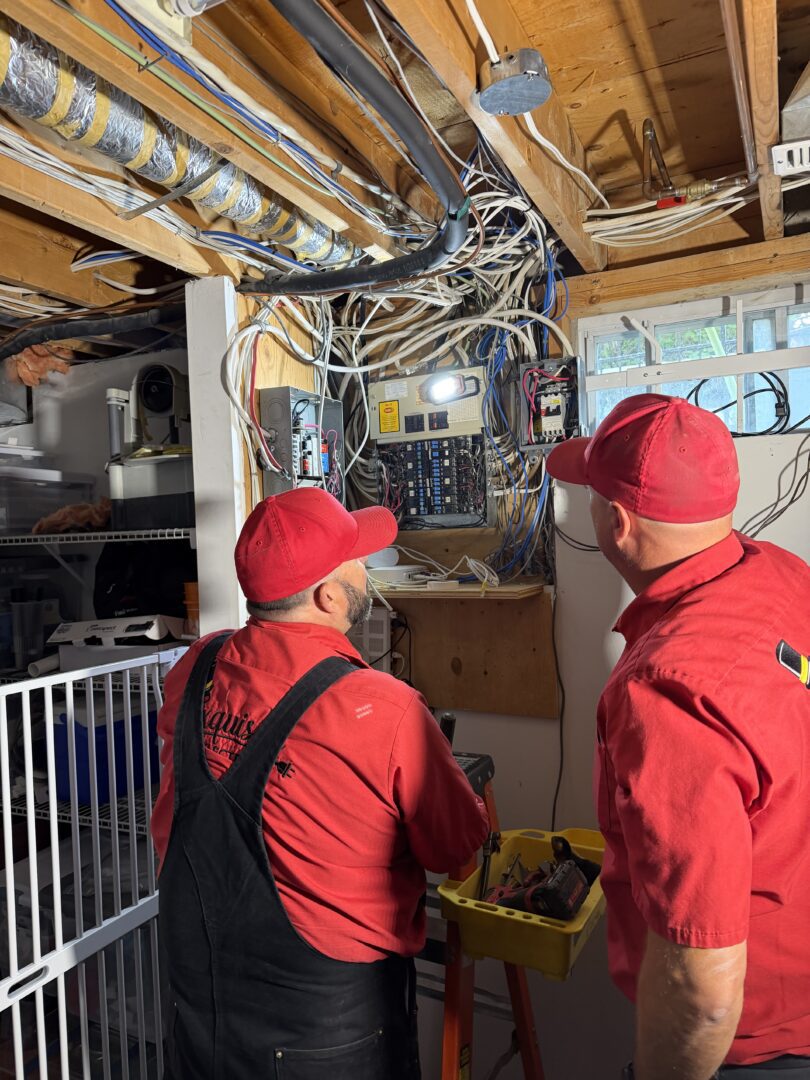
Step 2: Determine How Electricity Reaches Your Home
A 200 amp upgrade involves more than replacing the panel. The electrical service bringing power to the home also needs to support the increased capacity.
Depending on the property, power may enter through an overhead or underground service. Existing cables, conduit and the route from the utility connection to the home may need to be reviewed.
Step 3: Coordinate With the Utility Provider
The electrician and utility provider need to coordinate before the upgrade moves ahead.
The utility may need to confirm that the existing infrastructure can support the new service size and determine whether any additional work is required.
Step 4: Permits and Planning
Before work begins, the project needs to be properly planned and permitted.
This may include:
-
Electrical permits
-
Load calculations
-
Utility applications
-
Service and meter requirements
-
Inspection requirements
-
Scheduling the electrical disconnect and reconnect
Planning these steps in advance helps reduce the amount of time the home is without power.
Step 5: Upgrade the Electrical Service Equipment
Once the project is approved and scheduled, the electrical work can begin.
Depending on the existing installation, the upgrade may involve changes to the:
- Main electrical panel
- Service conductors
- Meter equipment
- Service entrance equipment
- Grounding and bonding
- Associated wiring and connections
Step 6: Replace the Electrical Panel
The existing panel is replaced with one designed for the new 200 amp service.
Existing circuits are carefully transferred into the new panel, breakers are installed as required, and the system is properly labelled and organized.
This is also an opportunity to review the condition of the existing wiring and make sure the new panel is set up to support the home’s current electrical needs as well as future additions.
Step 7: Inspection and Reconnection
Once the electrical work is complete, the installation must be inspected and approved before the upgraded service is fully put back into operation.
After approval, the utility can complete any required meter or service work and the home can be re-energized.
The electrician then completes final checks to confirm the panel, breakers, service equipment and connected circuits are operating properly and that the upgraded system is ready for use.
Does An Upgrade Require Digging Up the Yard?
No.
This depends heavily on the existing electrical service and how power reaches the property.
Some homes may already have infrastructure capable of supporting the upgrade.
Others—particularly homes with underground electrical services—may require additional work involving conduit, service cable or the route between the utility connection and the home.
That is why the first step should always be an assessment rather than assuming every 100-to-200 amp upgrade is the same.
Do You Actually Need 200 Amps?
Not necessarily.
If you’re considering an EV charger, hot tub, electric heating or another large electrical load, the first step should be determining what capacity your home already has.
In some situations, upgrading to 200 amps is the best long-term solution.
In others, an electrical load-management system may allow the home’s existing electrical capacity to be used more efficiently without completing a full service upgrade.
Every home is different.
Thinking About a 200 Amp Electrical Service Upgrade?
Before deciding on an upgrade, have your existing electrical service, panel and anticipated electrical loads assessed.
Exquisite Electric can review your current system, determine what your home requires and explain the options available before any work begins.
REQUEST A PANEL ASSESSMENT
Recent Comments